Top AI, Industry 5.0 & PLM Insights from 100 Editions

Dear All,
Happy New Year, Ugadi as well as Gudhi Padawa to you!
On this special day of the New Year, I am thrilled to inform you that we have now reached the 100th Edition of our Newsletter which started as PLM ROI and expanded to AI & Industry 5.0 ROI.
The mission which started around 3 years back is now guiding more than 4300 Subscribers in their AI, Industry 5.0 & PLM World.
We have surely come a long way. Many thanks for your support, feedback and encouragement.
Our Newsletter will continue to be your trusted source for insights and strategies that will empower you to leverage your AI, Industry 5.0 & PLM investments to the fullest.
This 100th edition is really a special one for us!
On this special occasion, it would be apt to collate and summarize the important insights from the last 100 editions for you in this edition.
Note – Each of the insights below are linked to the respective edition for more details.
Top 40 AI, Industry 5.0 & PLM Insights from Last 50 Editions :
1. PLM or ERP : Which one is ‘Master’ and which one is ‘Reference’ for Complex Product Companies?
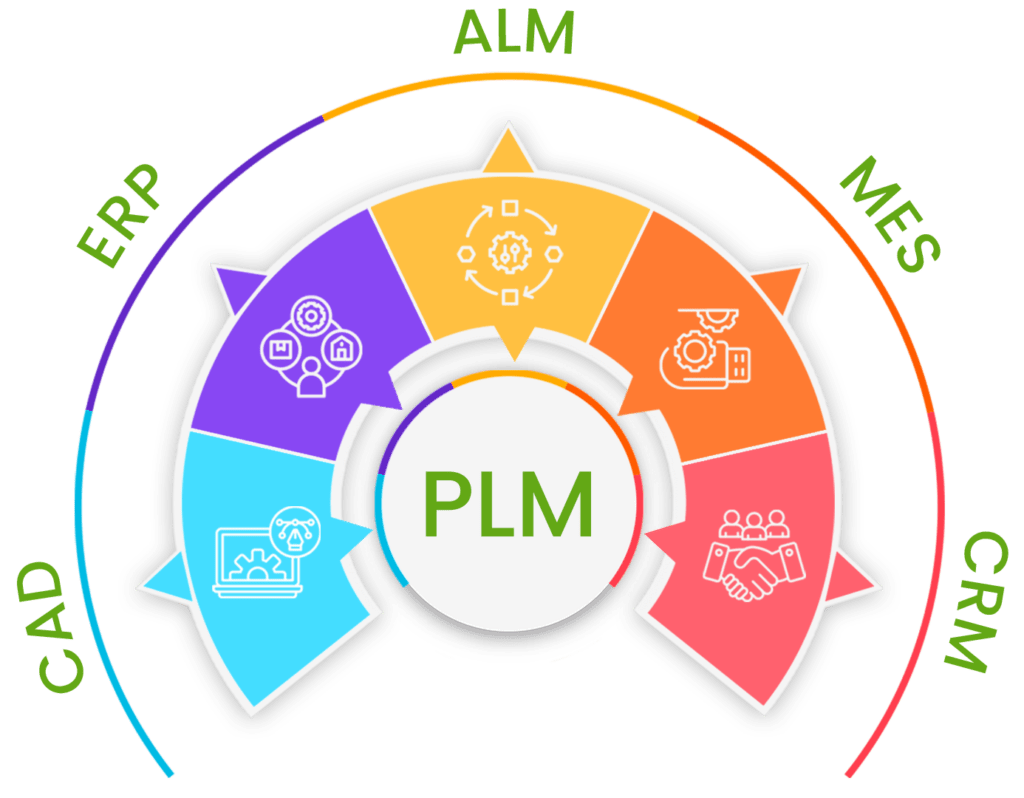
- As organizations grow in complexity, PLM assumes the central role, with ERP and other systems acting as satellite applications. PLM becomes the MASTER and other systems including ERP becomes the REFERENCE.
- While ERP remains crucial for business operations, it is no longer the digital backbone aka MASTER in highly complex enterprises. Instead, PLM takes center stage, serving as the foundation for seamless integration between engineering, manufacturing, and business functions.
Click here to check this edition for more details.
2. PLM Implementation: How to decide between OOTB, Pre-Configured or Fully Customized Solutions

Choosing the right approach for PLM implementation is a strategic decision that impacts long-term business outcomes.
- OOTB Implementation is ideal for organizations looking for rapid deployment with minimal costs and standard processes.
- Pre-Configured Solutions offer a balance between flexibility and simplicity, making them suitable for businesses seeking moderate customization without high complexity.
- Fully Customized Implementations provide maximum flexibility and control but come with higher costs, longer timelines, and increased maintenance complexity.
Click here to check this edition for more details.
3. Sustainability and Circular Economy with PLM
- Sustainability is no longer an afterthought; it is becoming a core driver in PLM strategies, reshaping how products are conceived, produced, and retired.
- PLM can support this shift by offering the digital framework and tools to manage and optimize each stage of the lifecycle with sustainability and circular economy in mind.
- By integrating lifecycle assessments, designing for recyclability, and embracing circular economy strategies, PLM can lead the way toward a greener and more responsible future.
Click here to check this edition for more details.
4. PLM and Evolution of BOMs (Bill of Materials) across the Product Life Cycle
- In this article, Explore different types of BOMs encountered throughout the product engineering journey and how PLM systems help manage the evolution of BOMs seamlessly across disciplines and departments.
- A BOM is much more than a list of parts—it’s a living, evolving structure that carries the DNA of the product across its lifecycle. From initial sketches on a design board to assembly lines, warehouses, and field repairs, different types of BOMs serve different audiences with different needs.
- Understanding how these BOMs evolve—and how PLM systems help manage them—is key to building products that are not just manufacturable, but also serviceable, customizable, and sustainable. For engineering and operations leaders, investing in BOM maturity and PLM integration is no longer optional—it’s foundational to digital transformation.
- At each stage, the BOM is enriched, restructured, or filtered depending on the context: DBOM to EBOM = Add engineering detailEBOM to MBOM = Add manufacturing process logicMBOM to Plant BOM = Localize and optimize for plant operationsPlant BOM to SBOM = Filter for serviceability and field use
▪ DBOM to EBOM = Add engineering detail
▪ EBOM to MBOM = Add manufacturing process logic
▪ MBOM to Plant BOM = Localize and optimize for plant operations
▪ Plant BOM to SBOM = Filter for serviceability and field use
Click here to check this edition for more details.

5. Engineering Without Boundaries: Why ALM–PLM Integration Is Essential for Modern Products
- Today, modern engineering components are multi domain systems. From electric vehicles to smart appliances and industrial robots, products are now mechatronics and software-driven.
- As product complexity has grown, so has the need for systems that can handle it. Product Lifecycle Management (PLM) and Application Lifecycle Management (ALM) were built to manage different sides of this complexity. Now, they must work together.
- It demands tight integration across disciplines, and that means BOMs, change management, and verification processes must extend beyond mechanical parts to include software artifacts and electronics.
- Software is no longer separate—it’s part of the product structure. And without ALM–PLM integration, this becomes unmanageable.
Click here to check this edition for more details.
6. PLM Data Cleansing as per Migration Standards – Template
- PLM systems are not just data repositories—they are dynamic, collaborative platforms that drive innovation, manufacturing efficiency, and product quality. But their effectiveness hinges on the quality of the data they contain.
- Investing in PLM data cleaning—through audits, tools, best practices, and structured models—is no longer optional. It’s a strategic enabler for faster time-to-market, reduced costs, and competitive advantage.
- Manufacturers that treat data as an asset and adopt a proactive, disciplined approach to cleaning and maintaining it will reap long-term benefits from their PLM systems.
Click here to check this edition for more details.
7. LLMs to PLMs through MCPs (Model Context Protocol): A New Era of Product Development with AI Agents
- What Is MCP (Model Context Protocol)?
⏹︎ The Model Context Protocol (MCP) is a new open-source standard developed to allow (LLMs) and autonomous AI agents to access enterprise data in real-time with contextual understanding. It creates a structured, permission-aware bridge between AI assistants and enterprise systems such as PLM, ERP, MES, and others.
⏹︎ In simple terms, MCP enables LLMs to ask the right questions to the right systems — and get precise, real-time, and actionable answers — by understanding the context of the task, the role of the user, and the underlying data model of the connected systems.
- The Model Context Protocol represents a foundational shift in how AI systems (LLMs) connect with enterprise data — especially in complex environments like PLM.
- Instead of treating LLMs as external observers or disconnected copilots, MCP enables them to become intelligent collaborators inside the data ecosystem, deeply aware of the tasks, roles, and relationships that matter in product development.
- For product manufacturers aiming to stay competitive in an era of smart products and smart processes, adopting MCP could unlock a new level of agility, collaboration, and decision intelligence.
- While there are challenges to navigate, the benefits — especially when it comes to automating knowledge work and enhancing cross-functional integration — are too significant to ignore.
- The future of PLM is not just digital — it’s intelligent. And with MCP, that future is closer than ever.
Click here to check this edition for more details.
8. How LLMs Can Help PLMs Perform Better: AI Use Cases for End to End Product Lifecycle
- With the rise of Large Language Models (LLMs) — powerful AI systems trained to understand and generate human-like text — PLM is entering a new era.
- LLMs can serve as intelligent assistants that not only interpret complex PLM data but also guide users through decision-making, automate tedious tasks, and surface insights that would otherwise be buried.
- Check this article to deep dive a bit more on this and get some examples where LLMs can help PLMs. In an ideal world where your LLM is connected to your PLM or in a normal world where you are using standalone LLMs, what can be the use cases for your End to End AI Product Development?
Click here to check this edition for more details.
9. How to Adopt AI into Your Legacy PLM System: A Practical Guide for Product Manufacturers
- This article walks you through a step-by-step framework to successfully integrate AI into your legacy PLM — and transform it from a digital archive into a true innovation partner.
- Here is a Checklist for your easy reference

Click here to check this edition for more details.
10. Industry 5.0 – How Product Manufacturers can get ready for this paradigm shift
- In this article, look at the bigger paradigm shift in the form of Industry 5.0 and explore how product manufacturers can get ready for the same.
- Industry 5.0 is not just about the next wave of automation—it’s about making manufacturing more human again, with machines enhancing the capabilities of people.
- To get ready for Industry 5.0, Product Manufacturers should train their People and upgrade them with Skillsets for the Industry 5.0 and modify their processes and make strategic changes across the systems to integrate new age tools and technologies such as PLM, AI, IoT, Cloud etc. in real time.
Click here to check this edition for more details.
11. System Integration in Industry 5.0: Opportunities, Challenges and the Best Practices
- At the heart of Industry 5.0 evolution lies system integration, a critical enabler for manufacturers aiming to unify their digital infrastructure, harness artificial intelligence (AI), and foster human-machine collaboration.
- System integration is the process of connecting different IT systems, software applications, and hardware devices into a cohesive whole.
- This article explores the opportunities and challenges of system integration in the context of Industry 5.0 and outlines best practices for choosing strategic middleware that bridges the gap between legacy and modern systems.
Click here to check this edition for more details.
12. Unlocking Industry 5.0 with IIoT: Key steps for Manufacturers to Implement IIoT in Industry 5.0
- In this article, we deep dive into IIoT – which can be called as the central nervous system of Industry 5.0.
- This article explores how IIoT supports the evolution to Industry 5.0, its synergy with manufacturing robots and corresponding role in generating actionable data for AI systems and key steps for Manufacturers to Implement IIoT in Industry 5.0.
- By enabling real-time data flow from robots, machines, and systems, IIoT empowers AI to generate actionable insights, helping human operators make faster, better, and safer decisions.
- Manufacturers that embrace this shift by investing in infrastructure, skills, and cultural readiness will not only increase operational efficiency but also build resilient, sustainable, and human-centric manufacturing ecosystems.
Click here to check this edition for more details.
13. Empowering Industry 5.0 with Cloud & Edge Computing
- In this article, we deep dive into Cloud & Edge Computing – a powerful duo which provides the backbone for scalable, intelligent, and responsive manufacturing ecosystems that define Industry 5.0.
- This article unpacks the role of cloud and edge computing in enabling this next-generation industrial revolution, how they complement each other, and what steps product manufacturers need to take to be future-ready.
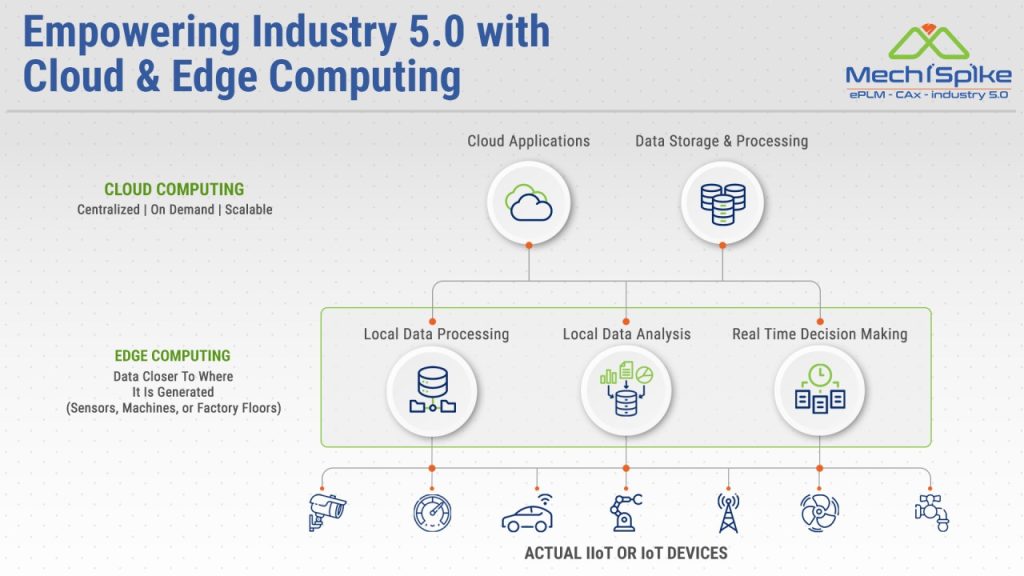
- Cloud and edge computing are not just technologies—they are strategic enablers of the responsive, resilient, and human-centered systems envisioned by Industry 5.0. Together, they allow manufacturers to collect, process, and act on data intelligently, wherever and whenever it’s needed.
Click here to check this edition for more details.
14. Smart Factories in Industry 5.0: How Product Manufacturers should implement Smart Factories
- In this article, let’s deep dive into Smart Factories – an Operational Core of Industry 5.0. Let’s understand the basics of a smart factory, its backbone – MES and MOM, how manufacturers should implement it and key people skills required to implement Smart Factories.
- A Smart Factory is a fully digitized and connected production environment where machines, systems, and humans interact in real-time. It integrates data across all levels—from shop floor equipment to enterprise-level planning systems—to enable self-optimizing and adaptive manufacturing processes.
- MES acts as the digital bridge between planning (ERP systems) and production (shop floor equipment). It captures real-time data from machines, tracks production orders, monitors quality, and ensures that every task is performed according to plan.
- While MES focuses on execution, MOM provides a broader strategic and operational view. It encompasses planning, workforce management, maintenance coordination, and logistics. Think of it as the orchestrator of factory operations, aligning people, machines, and materials toward common goals.
- Smart Factories build synergy between MES and MOM ensures that manufacturing is not only efficient and productive, but also resilient, sustainable, and adaptive—core goals of Industry 5.0.
- Smart Factories represent the Operational Core of Industry 5.0—where technology, sustainability, and human value creation converge. Powered by MES and MOM, these factories don’t just produce—they think, learn, and evolve.
Click here to check this edition for more details.
15. Cyber-Physical Systems: The Backbone of Responsive Manufacturing in Industry 5.0
- In this article, let’s deep dive into Cyber-Physical Systems – a bridge between the physical and digital worlds to enable real time decision-making in Industry 5.0.
- Cyber-Physical Systems are integrations of computation, networking, and physical processes. In simple terms, CPS are smart systems that connect physical components (machines, sensors, robots, production lines) with cyber components (software, AI, IoT, cloud infrastructure). These systems are capable of monitoring, analyzing, and controlling physical processes with high levels of autonomy.
- As the foundational layer of Industry 5.0, CPS enables responsive manufacturing that is intelligent, human-centric, and adaptive to constant change.
- For manufacturers, the path to implementing CPS involves a strategic mix of infrastructure, interoperability, security, and skills development.
Click here to check this edition for more details.
16. Cobots and the Rise of Human-Robot Collaboration in Industry 5.0
- In this article, let’s deep dive into Cobots – One of the central elements of this new Industry 5.0 era.
- Cobots are a type of robot specifically engineered to safely collaborate with human workers in a shared workspace. Unlike traditional industrial robots, which are often caged and operate in isolation due to safety concerns, cobots are equipped with advanced sensors, force limiters, collision detection mechanisms and user-friendly programming interfaces that allow them to work in close physical proximity to humans without causing harm.
- Cobots are not about replacing human labor but augmenting it. They take over repetitive, physically demanding, or dangerous tasks, freeing human workers to focus on activities that require creativity, problem-solving, and critical thinking.
- By integrating cobots into their operations, manufacturers can boost efficiency, enhance customization, ensure safety, and unlock new levels of innovation. But success will not come from technology alone. It requires visionary leadership, investment in people, and a culture that embraces the collaborative future of work.
Click here to check this edition for more details.
17. Cybersecurity : The Fundamental Pillar of Industrial Survival in Industry 5.0 Era
- In this article, let’s deep dive into the fundamental pillar of Industrial Survival in the new Industry 5.0 era – Cybersecurity.
- In an era where everything from product design to real-time supply chain operations is digitized and interconnected, robust cybersecurity isn’t just an IT issue—it’s a fundamental pillar of industrial survival.
- The convergence of humans, machines, and data creates immense opportunities for productivity and personalization, but also introduces new vulnerabilities.
- Only with robust, resilient, and ethical cybersecurity frameworks can product manufacturers fully realize the potential of Industry 5.0.
- To get there, organizations must act proactively—implement secure architectures, train talent with both technical and ethical acumen, and foster a culture where security is everyone’s business. Because in the Industry 5.0 era, the factories of the future will only be as strong as the cybersecurity that protects them.
Click here to check this edition for more details.
18. ERP : The Digital Backbone of the Industry 5.0 Era
- In this article, let’s deep dive into the Digital Backbone of the Industry 5.0 Era – ERP.
- For product manufacturers aiming to thrive in Industry 5.0, ERP is no longer just a back-office tool for managing orders and finances—it’s becoming the strategic platform that orchestrates people, processes, and technology in real time.
- In a traditional manufacturing setup, departments often work in silos. ERP breaks down these silos, ensuring that what’s happening on the shop floor is visible in the boardroom in real time—and vice versa.
- For many manufacturers, ERP upgrades for Industry 5.0 represent a step-change in capabilities—from reactive and fragmented operations to proactive, intelligent, and connected ecosystems.
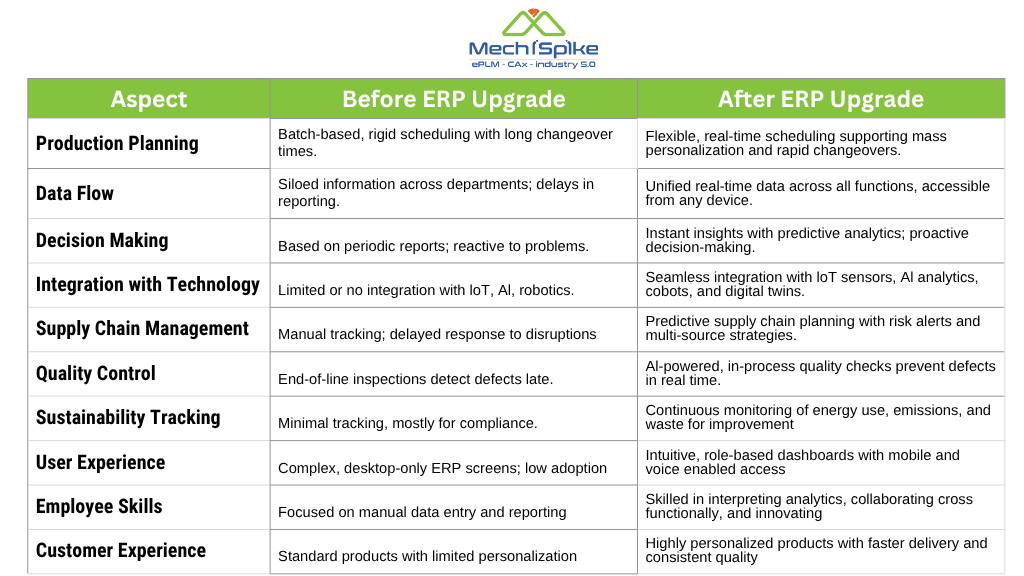
- For product manufacturers, upgrading ERP is not just a technology project—it’s a business transformation that demands the right tools, processes, and people skills.
Click here to check this edition for more details.
19. Supply Chain Management in the Industry 5.0 Era: Building Intelligent & Sustainable Value Chains
- In this article, let’s deep dive into the strategic backbone of future businesses in Industry 5.0 era – Supply Chain Management (SCM).
- Supply Chain Management (SCM) is no longer about just moving goods; it’s about orchestrating a connected, intelligent ecosystem that responds dynamically to customer needs, market fluctuations, and sustainability goals.
- Traditional SCM focused on cost reduction and operational efficiency. However, as supply chains became global and complex, the focus shifted toward integration, agility, and collaboration.
- By leveraging real-time data, digital platforms, and collaborative ecosystems, SCM systems can transform sourcing, production, and delivery into a seamless flow of value.
Click here to check this edition for more details.
20. LLMs as Engineering Co-Pilots: Transforming Design & Development & PLM with AI
- In this article, let’s deep dive into how AI with LLMs are Transforming Design & Development and PLM in the new Industry 5.0 Era.
- This article explores how AI with LLMs are reshaping the design and development of product engineering, what product manufacturers must ensure to harness them effectively, and the people skills organizations will need in this new era.
- How LLMs Act as Engineering Co-Pilots : Unlike traditional software tools, LLMs are not passive systems—they actively interpret natural language, understand engineering context, and provide intelligent assistance.
- By accelerating CAD modeling, guiding simulations, optimizing material selection, streamlining BOM creation, and enhancing documentation, LLMs can empower human creativity with machine intelligence.
Click here to check this edition for more details with examples.
21. AI as Compliance Navigator in Industry 5.0 : Redefining Testing & Validation and PLM with LLMs
- In this article, let’s deep dive into how AI & LLMs are Transforming Testing & Validation in product engineering and PLM in the new Industry 5.0 Era.
- This article explores how AI aka LLMs can redefine Testing & Validation, serving as compliance navigators & offering real-world applications. We will also look at the steps and skills manufacturers must adopt to fully leverage the AI.
- In Industry 5.0, where innovation must coexist with stricter global compliance, AI aka LLMs are not just tools—they are navigators.
- By parsing regulations, generating test cases, automating documentation, and supporting decision-making, they transform Testing & Validation from a bottleneck into a strategic advantage.
Click here to check this edition for more details with examples.
22. AI as Production Advisors: Transforming Manufacturing in Industry 5.0
- In this article, let’s deep dive into how AI & LLMs can PLM and more specifically – Manufacturing and Production n the new Industry 5.0 Era.
- This article explores in detail how AI with LLMs can revolutionize PLM, manufacturing and production, requirements for its effective adoption, steps manufacturers should follow, and the people skills needed to succeed.
- Traditional automation, though powerful, often struggles with contextual understanding and decision-making under uncertainty. This is where AI and LLMs add value—by becoming human-centric AI partners that make production smarter, adaptive, and more resilient.
- In the Industry 5.0 era, LLMs as Production Advisors transform factories into adaptive, resilient, and human-centric environments.
- But successful adoption requires solid data infrastructure, domain-specific training, strong governance, and skilled human oversight.
Click here to check this edition for more details with examples.
23. LLMs, SLMs, and the Future of PLM in the Industry 5.0 Era
- In this article, let’s understand Small Language Models and find out what are they, how they differ from LLMs, why are they important for product manufacturers and find out examples where we can use LLMs effectively with PLMs.
- LLMs (Large Language Models) These are massive models trained on billions of parameters, capable of answering complex queries, generating technical documents, and powering advanced semantic search. Their strength lies in breadth—they can “know a little about everything” and handle ambiguous requests.
- SLMs (Small Language Models) These are leaner, task-specific models trained with fewer parameters and on domain-specific datasets. Instead of trying to be universal, they excel at narrow but deep tasks such as generating compliance checklists, assisting in bill-of-material (BOM) updates, or supporting supplier contract analysis.
- In General terms, LLMs provide exploration while SLMs provide execution.
- While LLMs provide broad reasoning power, SLMs offer the cost-effective, specialized precision that manufacturers need to thrive.
Click here to check this edition for more details with examples.
24. AI as Knowledge Guide : Transforming Service & Support in the Industry 5.0 Era
- In this article, let’s deep dive into how AI & LLMs can transform PLM and more specifically – Service & Support in the new Industry 5.0 Era.
- This article explores the role of LLMs in service and support, highlights real-world applications, outlines requirements for effective adoption, lists actionable steps manufacturers must take, and identifies the people skills needed to make this AI-powered revolution successful.
- In the Industry 5.0 era, where human ingenuity and AI intelligence converge, LLMs are set to redefine service and support. Acting as knowledge guides, they empower customers, technicians, and manufacturers with instant, contextual, and proactive assistance.
- The future of service is no longer reactive—it is predictive, personalized, and powered by LLMs. And in Industry 5.0, that makes all the difference.
Click here to check this edition for more details with examples.
25. AI as Idea Accelerator : Redefining Concept & Requirements of Engineering Parts in the Industry 5.0 Era (to do from here)
- In this article, let’s get back to the use of AI and deep dive into how AI & LLMs can transform PLM and more specifically – Concept & Requirements of Engineering Parts in the new Industry 5.0 Era.
- This article explores how LLMs are revolutionizing concept and requirements management in Product Lifecycle Management (PLM), with examples, practical steps, and the human skills needed to make it work in the new Industry 5.0 era.
- Byintegrating LLMs into the concept and requirements phase, manufacturers can compress innovation timelines, reduce rework, and stay aligned with ever-changing market needs.
Click here to check this edition for more details.
26. AI as a Sustainability Steward: Redefining End-of-Product-Life and Disposal in the Industry 5.0 Era
- In this article, let’s deep dive into how AI with LLMs can transform PLM and more specifically – End-of-Product-Life and Disposal of Engineering Parts in the new Industry 5.0 Era
- This article explores how LLMs are transforming EoL and disposal management in Product Lifecycle Management (PLM), outlines examples of applications, the technical and organizational requirements for adoption, the human skills required, and the practical steps manufacturers can take to implement AI effectively.
- In the Industry 5.0 era, the End-of-Life stage is no longer the end—it’s the beginning of a sustainable loop. AI with LLMs can empower manufacturers to make smarter, greener, and more cost-effective decisions by acting as sustainability stewards.
Click here to check this edition for more details.
27. How AI Agents Will Change the PLM User Interface
- There are two articles written on this topic.
⏹︎ One is focusing on the examples and how engineers will chat/talk with PLM
- Click here to check this edition for more details.
⏹︎ Another articles focuses on how AI Agents will change the PLM User Interface/User Experience (UI/UX) and What Happens to UI Customization and Workflow Engineering?
- Click here to check this edition for more details
28. ROI-Based Consulting : How AI is Redefining Consulting in Product Engineering & Manufacturing
- In this article, let’s take a look at How Consulting in Product Engineering & Manufacturing is changing, How to maximize ROI, Where to start, Steps to Leverage it effectively and Skills to look for in a Consultant.
- Gone are the days when manufacturers invested in digital solutions merely for modernization or compliance. In the new landscape, ROI-based consulting ensures that technology adoption is guided by data, aligned with strategy, and measured through tangible impact on efficiency, cost, and customer value.
- In the pre-Industry 5.0 era, consulting engagements in product engineering were largely technology-centric—focused on introducing PLM, ERP, CAD, or MES systems. Success was defined by go-live events or process adherence. But with AI and LLMs entering the scene, the paradigm has shifted.
- The central pillar of modern consulting is ROI-based decision-making. This means quantifying how every system upgrade, AI integration, or digital initiative affects cost, speed, quality, and sustainability.
- Consultants in the new Industry 5.0 era act as value architects. Their role is to help manufacturers pinpoint the most impactful opportunities for AI within their operations.
- By mapping such opportunities to key business metrics, consultants ensure that every AI intervention is meaningful and measurable.
Click here to check this edition for more details.
29. Resilient Manufacturing: Building Strength Amid Global Disruptions with AI, PLM and Flexible Operations
- In this article, let’s take a look at How to build resilience in manufacturing with AI, PLM, and flexible operations to overcome global disruptions, tariffs and supply chain challenges.
- The promise of efficiency and cost advantage through global integration is now being challenged by geopolitical volatility and anti-globalization trends. Amidst this uncertainty, one idea is gaining strategic importance across boardrooms — Resilient Manufacturing
- In practical terms, resilience ensures that production can continue—even when suppliers fail, markets shift, or global transport systems break down.
- Resilient manufacturing rests on three foundational pillars: Digital Integration (via PLM Systems), Human–Tech Symbiosis, and Operational Flexibility.
- Resilient manufacturing isn’t about avoiding disruption; it’s about thriving through it. It’s about integrating PLM systems for visibility, empowering humans with AI for smarter decisions, and building flexible networks that adapt to change.
Click here to check this edition for more details.
30. The New Role of Leaders & Managers : From “Doing Things Right” to “Doing the Right Things”
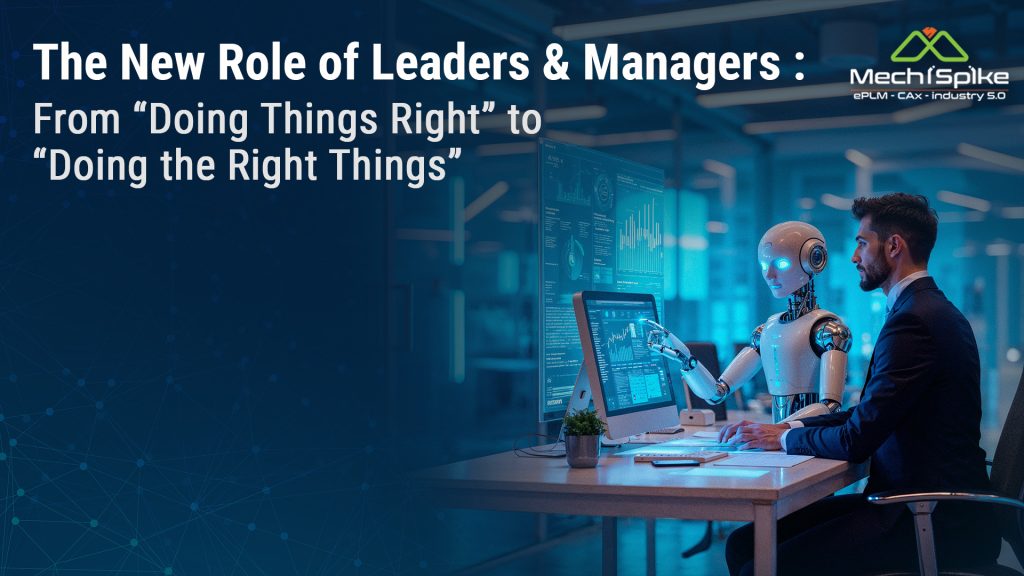
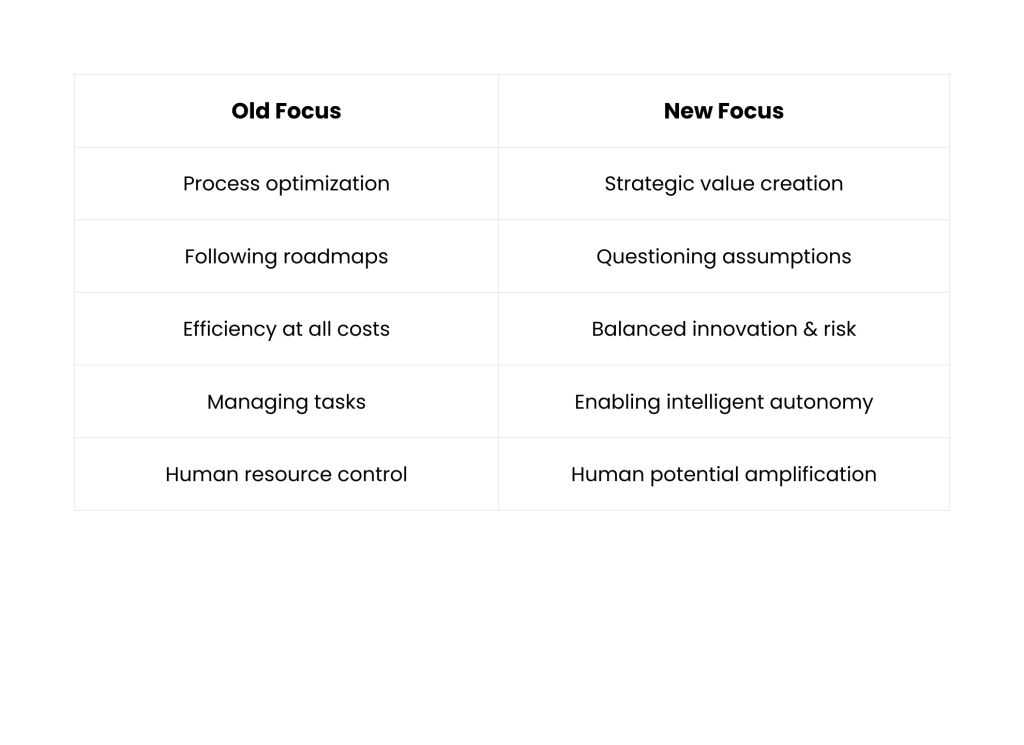
- In this article, let’s take a look at PLM People Management – mainly the New Role of Leaders & Managers in Industry 5.0 and AI Era with a practical framework on how product manufacturers should manage this change, and what new skills and talent profiles they must develop to stay ahead.
- This article explores how the role of leaders and managers is transforming, with specific insights for product design and manufacturing organizations, and the skills needed to thrive in this new era.
Click here to check this edition for more details.
31. Why Copilots Inside PLM Are Not Enough and How Multi-Agent PLM Architecture should work
- In this article, let’s take a look at the problem with the existing AI Architecture being implemented by PLM ISVs and how the ideal Multi-Agent PLM Architecture should be designed.
- The next decade of product innovation won’t be driven by smarter user interfaces or conversational search. It will be driven by multi-agent systems orchestrating workflows across the entire digital thread, operating over a shared product memory that spans engineering, manufacturing, supply chain, and service systems.
- This is not AI added to PLM. This is PLM rebuilt on AI-native orchestration.
- Copilots are just the first (and smallest) step. They improve usability, but they don’t transform PLM.
- The future belongs to agentic systems — collections of intelligent software agents that coordinate work, share context, and execute tasks autonomously across the digital thread.
- Agents must live above PLM — orchestrating, coordinating, and reasoning across the entire ecosystem.
- This Requires a New Foundation: AI-Native Workflow Architecture What’s needed is not “AI inside PLM” but PLM designed for an AI-first world.

- PLM databases simply cannot support this shift. AI must operate above them.
- PLM vendors are right to add copilots — they improve usability. But copilots are not the future.
- The real future lies in AI agents orchestrating workflows across the digital thread, reasoning over a shared product memory, and collaborating autonomously to accelerate innovation and resilience.
Click here to check this edition for more details.
32. The Spatial Industrial Revolution: How AR/VR Is Redefining Manufacturing and Human–Machine Collaboration
- In this article, let’s look at how AR/VR with AI is going to redefine manufacturing and Human-Machine Collaboration.
- When AR/VR converges with PLM systems, digital twins, and AI agents, manufacturing moves from digital interfaces to spatial interfaces—fundamentally redefining how humans and machines collaborate.
- AR and VR are not just visualization tools—they are the interface of the next industrial age. When combined with PLM, digital twins, and AI agents, they transform manufacturing into a spatial, intelligent, and human-centric system.
Click here to check this edition for more details.
33. Cloud PLM : Pros and Cons
- This article explores why Cloud PLM is both promising and problematic, why microservices-based cloud architectures clash with PLM’s data-centric nature, and what manufacturers must carefully consider before embracing the Cloud PLM revolution.
- Modern cloud software is built around DevOps and continuous delivery philosophies. To enable rapid releases, scalability, and fault isolation, cloud systems are almost always designed using microservices architecture.
- In these systems, data is transactional, loosely coupled, and context-specific. But PLM is not that kind of system.
- PLM is fundamentally about relationships, not transactions. This is where Cloud PLM faces its biggest architectural challenge.
- Cloud PLM is not the future by default. It is a toolset with strengths and structural limitations. Microservices and DevOps work brilliantly for many enterprise systems, but PLM’s defining requirement is data continuity across the product lifecycle. When that continuity is compromised, the cost is measured not in software bugs—but in physical failures.
Click here to check this edition for more details.
34. Talent PODs: The New Engagement Model Reshaping Product Engineering and Manufacturing
- In this article, let’s look at the new trending engagement model Talent PODs to implement different projects and programs in the new Industry 5.0 world.
- This article explains Talent PODs in detail, explores their characteristics and benefits, highlights applications in product engineering and manufacturing, and outlines how organizations can successfully adopt this model.
- A Talent POD is a small, autonomous, multi-disciplinary team assembled to deliver a specific business or technical outcome. Unlike traditional staffing models that focus on individual roles, Talent PODs are built around capabilities and deliverables.
- The POD operates as a self-contained execution unit, responsible for a defined scope such as design optimization, PLM implementation, simulation automation, factory digitization, or compliance transformation.
- Talent PODs represent a fundamental shift in how organizations access, deploy, and scale expertise. For product manufacturers navigating Industry 5.0, they offer a flexible, outcome-driven alternative to traditional staffing and outsourcing models.
- Manufacturers who adopt Talent PODs thoughtfully—combining speed with strategy and autonomy with accountability—will gain a decisive advantage in a world where talent agility is as critical as technological excellence.
Click here to check this edition for more details.
35. New KPIs for Product Design and Manufacturing in AI Era after 2026
- In this article, let’s look at KPIs and how traditional KPIs are no longer sufficient in the new AI Era, how AI is reshaping the work, and what new KPIs product manufacturers must adopt 2026 onwards to remain competitive.
- Traditional KPIs measure what happened. New KPIs must measure how intelligently it happened.
- After 2026, the most successful product manufacturers will not be those with the fastest factories—but those with the smartest decisions.
- New KPIs will reflect not just how much was produced, but how wisely it was designed, manufactured, and sustained.
Click here to check this edition for more details.
36. The Rise of Build-Operate-Transfer (BOT) Model in Engineering & PLM
- In this article, let’s look at the new engagement model Product Manufacturers should look at more in future : Build-Operate-Transfer (BOT) Model of engagement. We will understand – What is Build-Operate-Transfer (BOT) Model, its Benefits, Steps to implement, KPIs to track & People skills to adopt this engagement model.
- The rise of the BOT model in Engineering & PLM is not accidental. It is a direct response to talent scarcity, accelerating digital complexity, and the need for faster transformation with lower risk.
- When executed well, BOT enables product manufacturers to build future-ready engineering and PLM capabilities without the traditional hiring burden.
Click here to check this edition for more details.
37. Why Independent Consultants Matter More Than Ever for complex PLM decisions
- In this article, let’s look at why independent, vendor-neutral consultants are becoming increasingly critical for Product Manufacturers navigating complex PLM decisions.
- A PLM implementation is not just another IT project. It fundamentally shapes how a company designs products, manages engineering data, collaborates across functions, and operates for the next 10–20 years. Once implemented, the organization is effectively locked in—technically, financially, and culturally. This is precisely why independent, vendor-neutral consultants are becoming increasingly critical for Product Manufacturers navigating complex PLM decisions.
Click here to check this edition for more details.
38. From Tools to Teammates: How AI Agents Are Transforming Product Design and Manufacturing
- In this article, let’s look at what AI agents are, how they differ from traditional AI, where they create real value in engineering-driven products, where they are not a good fit and how manufacturers can identify the right areas to pilot them first.
- With the rise of AI Agents, we are moving from tools that assist humans to digital teammates that collaborate with humans.
Click here to check this edition for more details.
39. Digital Twins Vs Virtual Twins: The Difference and How to Leverage both
- In this article, let’s look at Digital Twins Vs Virtual Twins. What they are, how do they differ from each other and how to leverage both in Product Design as well as Manufacturing.
- While often used interchangeably in casual conversation, Digital Twins and Virtual Twins represent fundamentally different approaches to how engineering products are designed, validated, manufactured, and evolved.
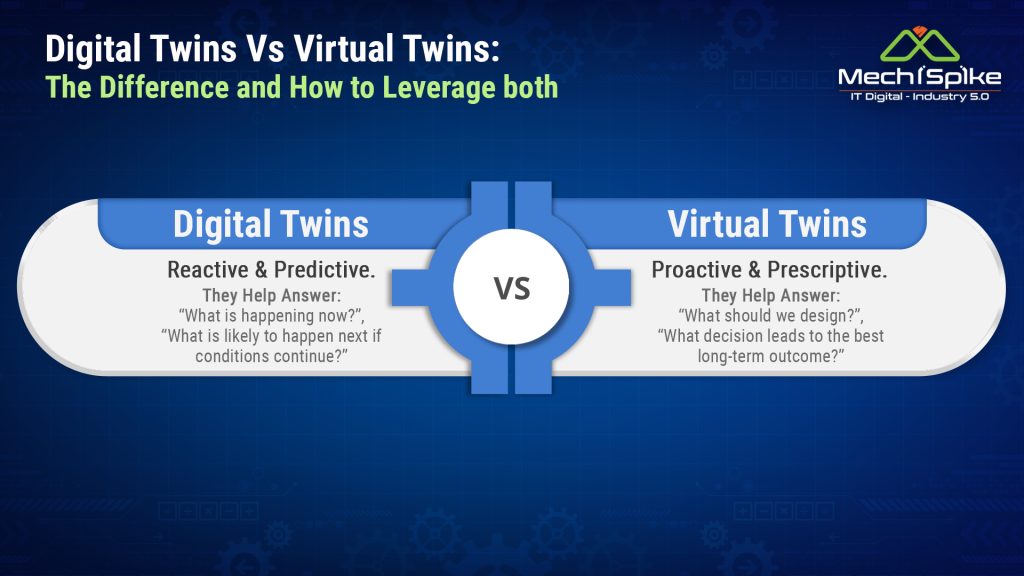
- Digital Twins helped industries optimize what already exists. Virtual Twins enable industries to design what should exist.
Click here to check this edition for more details.
40. A Practical Checklist for Successfully Implementing AI in Any Project
- This article provides a practical framework and checklist to help organizations successfully implement AI in any project while ensuring both adoption (installing the tools) and adaptation (changing how people work)

- Every successful AI project requires two parallel transformations:
⏹︎ AI Adoption
- Selecting and deploying AI technologies
- Integrating them into existing systems
- Ensuring access to relevant data
⏹︎ AI Adaptation
- Redesigning workflows
- Reassigning responsibilities between humans and machines
- Updating decision-making processes
● Many organizations accomplish the first but fail at the second. As a result, AI tools remain underused, misapplied, or ignored.
Click here to check this edition for more details.
Top 21 PLM Insights from First 50 Editions
Click here to check summary of first 50 editions for more details.
MechiSpike can be of great help to take your organization to the future of Product Design as well as Manufacturing with our focus on AI & Industry 5.0 using our prowess in PLM, Engineering and IT Digital.
Click here to know more about us.
For Corporates :
MechiSpike can be of great help to your organization to help you improve your PLM ROI and 30% Savings, be it the hiring cost in staffing or setting up an ODC.
We do this with efficient planning, organizing and controlling Product Master data with seamless data exchange among Engineering, Manufacturing and Enterprise systems.
With our well established niche expertise in PLM, we are now serving more than 15 Global Clients. They are now looking at us as a ‘Go To’ partner for Engineering, IT and PLM. With this confidence, we are expanding our scope of services beyond PLM to Industry 5.0 Digital Transformation i.e. PLM, ERP, CAD, Cloud, AI and DevOps.
Why MechiSpike :

RightSourcing is ‘Better Outsourcing’, given to ‘NICHE EXPERTS’.

Click here to know how we can actually help you with our Proven Methodologies.
For PLM Careers :
Learn More | Earn More | Grow More
Interactive UI : Every Application will get a response with a recruiter contact details and the applicant will get a notification at each phase until the applicant is positioned well with our 15+ global clients in India, USA & Germany.
Candidate Referral Program : Refer a candidate and earn INR 25,000.
Mechispike Solutions Pvt Ltd is a PLM focused company, having all kinds of PLM projects to enable employee career growth and add value to clients. We can position you better with our 15+ global clients in India, USA & Germany.
We believe in “Grow Together” and “Employee First” culture.
Dream more than a Job. Grow your PLM Career to the Fullest with MechiSpike
Click Here to explore our Job Openings.
Subscribe Now :
Our mission : To equip you with the knowledge and tools you need to drive value, streamline operations, and maximize return on investment from your PLM initiatives.
PLM ROI Newsletter will guide you through a comprehensive roadmap to help you unlock the full potential of your PLM investment.
We are committed to be your trusted source of knowledge and support throughout your PLM journey. Our team of experts and thought leaders will bring you actionable insights, best practices, case studies, and the latest trends in PLM.
Subscribe Now to get this weekly series delivered into your Inbox directly, as and when we publish it.
To your PLM success!
Warm regards,
Visit Us: www.mechispike.com
For PLM Services : Click Here to Schedule a Call with us.